Wildwood Park in Thousand Oaks

The main entrance into the 1,765 acre Wildwood Park is at the corner of Avenida de los Arboles and Big Sky Drive in Thousand Oaks. The Chumash Indians lived in Wildwood Park for nearly 8,000 years, until the early 19th century, when the Spanish colonized California. Eventually the park became owned by the Janss Corporation, which sold it to the Conejo Recreation and Park District in 1967.
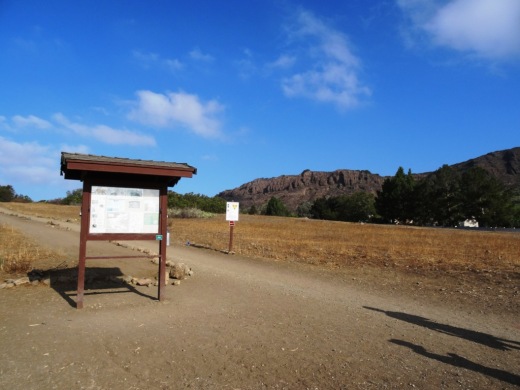
Main trailhead accessible from the parking lot at Ave de los Arboles and Big Sky.

Main trailhead accessible from the parking lot at Ave de los Arboles and Big Sky.

Wildwood Park is an extremely popular hiking and cycling spot and CRPD frequently hosts nature hikes there. The park has 14 trails covering 17 miles, including two year-round waterfalls, Paradise Falls and Little Falls.  Wildwood is known for its spring wildflower displays from January to June.

The park hosted a number of movie/TV productions in the 1930s to the 1960s, including Spartacus, Wuthering Heights, Wagon Train, The Rifleman and Gunsmoke.

Call the CRPD at 805.495.2163 for more information about the park. But for lots of detailed information about Wildwood Park, including trail maps and pictures, visit the Conejo Open Space Foundation website at cosf.org/trails/wildwood.

As far as facilities in the park, there are drinking fountains at the main parking lot as well as at the Teepee, at Paradise Falls and the two restroom areas in the park. One of the restrooms are located at Meadows Center, a small building located across the bridge that is adjacent to the short trail to Little Cave. CRPD often hosts short hikes from the main parking lot to Meadows Center for fun, games and s'mores.
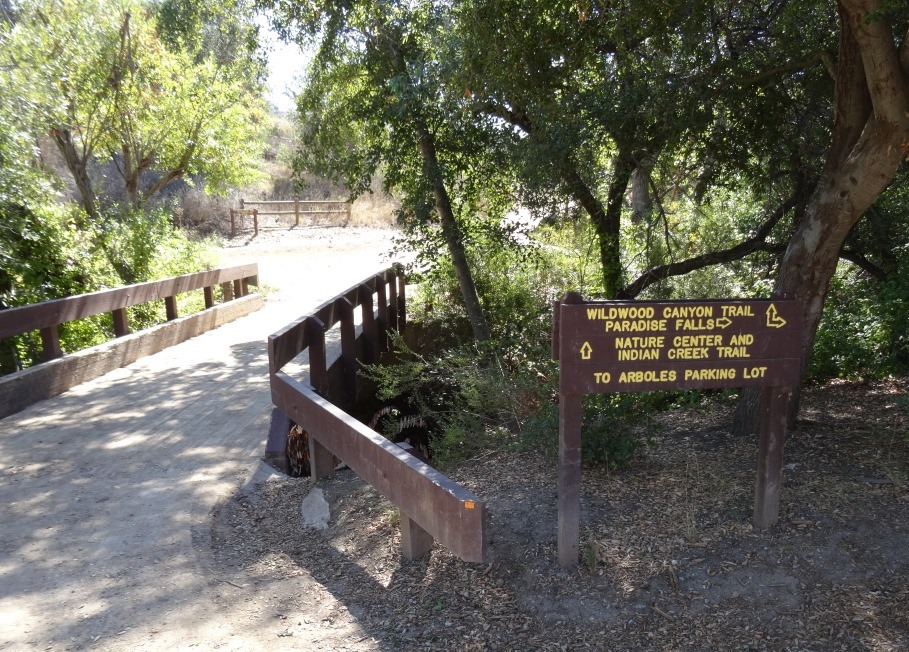
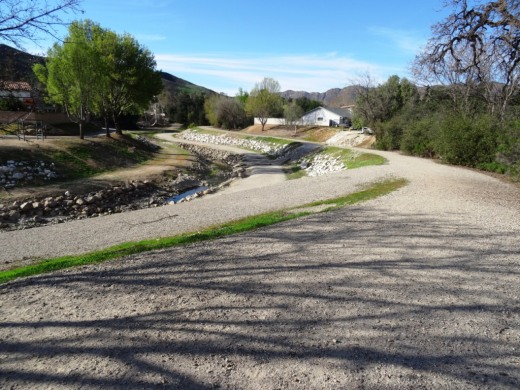
Bridge over creek that connects Wildwood Canyon Trail to Meadows Center, which has restrooms and a drinking fountain.

Bridge over creek that connects Wildwood Canyon Trail to Meadows Center, which has restrooms and a drinking fountain.

The other restrooms are at the bottom of Wildwood Canyon. You can get there by taking the Tepee Trail roughly 1/2 mile to the bottom of the canyon, or alternatively from Paradise Falls about 1/4 mile down the Wildwood Canyon Trail. The Arroyo Conejo Creek runs down from Paradise Falls to here and is fun to explore (keeping in mind still that this is partially urban runoff and thus you don't want to play around in it too much).

Additional restrooms at the bottom of Wildwood Canyon.
Additional restrooms at the bottom of Wildwood Canyon.

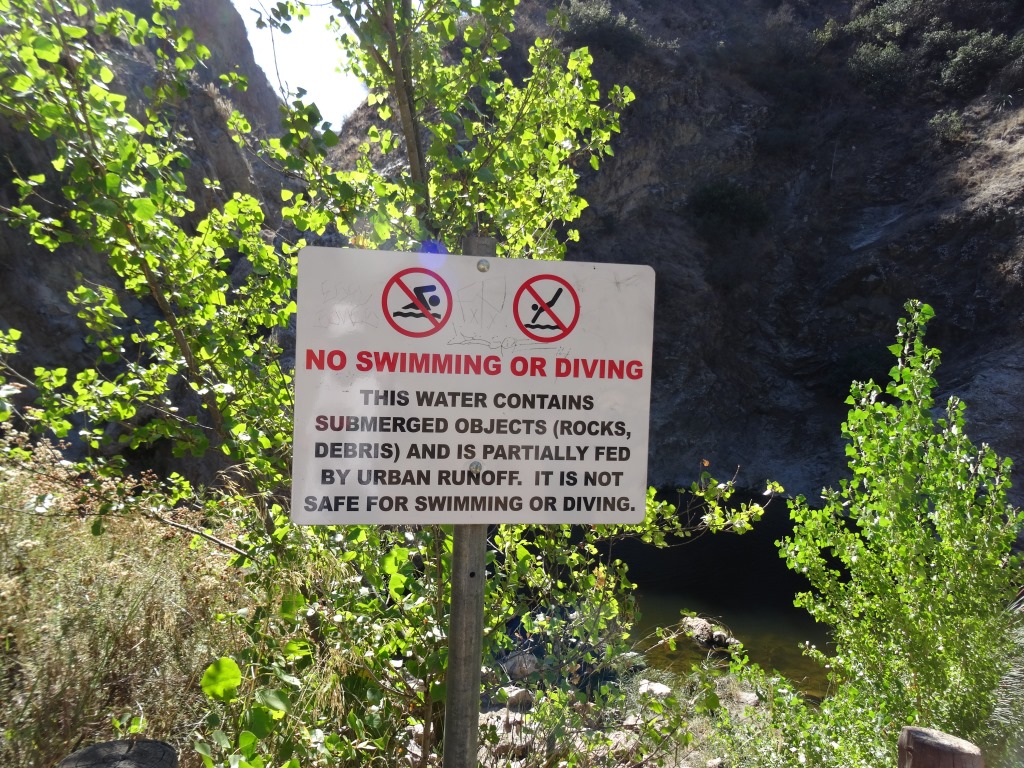
Sign at Paradise Falls indicating this particular water is partially urban runoff and best not to swim in.
Sign at Paradise Falls indicating this particular water is partially urban runoff and best not to swim in.

Wildwood2.JPG
Wildwood4_sign.JPG
Tepee Wildwood.JPG

Leo Carrillo State Park in Malibu

LeoCarilloSign.JPG

Leo Carrillo State Park consists of 1.5 miles of beach for swimming, surfing, windsurfing, surf fishing and beachcombing, as well as tide pools, coastal caves and reefs. Giant sycamores shade the main campgrounds.

Among the many great features of Leo Carrillo, the most engaging activity for me and the kids is the tide pools. They are exposed twice daily at low tide and provide hours of engagement with sea stars, sea anemones, mussels, sea slugs and more.

Nature walks and campfire programs are offered and a small visitor center has interpretive displays.

Trails include Yellow Hill Fire Trail for panoramic views of the beach and the Channel Islands, and the steeper Nicholas Flat Trail, which brings you to a pond.

There are 135 family campsites at Leo Carrillo with restrooms and token-operated showers. Visit ReserveCalifornia.com and search for “Leo Carrillo SP” to make reservations.

The park was named after Leo Carrillo (1880-1961), actor, preservationist and conservationist. Leo Carrillo served on the California Beach and Parks commission for 18 years and was instrumental in the state's acquisition of the Hearst property at San Simeon. Leo's greatest fame came from his portrayal of Pancho, the sidekick to Duncan Renaldo's Cisco Kid, an early 1950's TV series.
Leo Carrillo State Park is located at 35000 W. Pacific Coast Highway in Malibu. The park office phone is 310.457.8143. Visit www.parks.ca.gov/?page_id=616 for more information.

Parking is currently $12 in the parking lot for the day (or $3 per hour)...but free on PCH if you can find a spot. There are plenty of parking spots available in the lot. After you park, you can walk in a tunnel underneath PCH to get to the beach.

The muraled tunnel that takes you underneath PCH to Leo Carrillo Beach.

The muraled tunnel that takes you underneath PCH to Leo Carrillo Beach.

Dogs on a leash are allowed in the Park's day use areas, campground and north beach (north of lifeguard tower 3). Dogs are not allowed on backcountry trails or south beach (south of lifeguard tower 3).

DIRECTIONS

The most direct way of getting to Leo Carrillo from the Conejo Valley is via Westlake Boulevard (CA-23) (aka Decker Canyon) south, which for some is a fun 14 mile drive, but for others, not so much. It is a bit winding, hilly, steep at many junctures. I take this route during daytime hours but coming home I'm not too keen on it. After getting to PCH, turn right and drive 2 1/2 miles to get to Leo Carrillo.

Another more popular, though less direct route is via Kanan Road. Either take Kanan Road straight down to PCH, turn right (west) on PCH about 9 miles to Leo Carrillo, or take Kanan to Encinal Canyon, which is about a 3 mile drive on PCH to Leo Carrillo.

Lastly, if you are in Newbury Park, you can take Potrero Road west to Las Posas down to PCH. In about 11 miles you will reach Leo Carrillo.

Lizard Rock Trail From Lizard Rock to Wildwood Canyon at Wildwood Park Thousand Oaks

This is one in a series of posts about trails in the 1,765 acre Wildwood Park in Thousand Oaks.

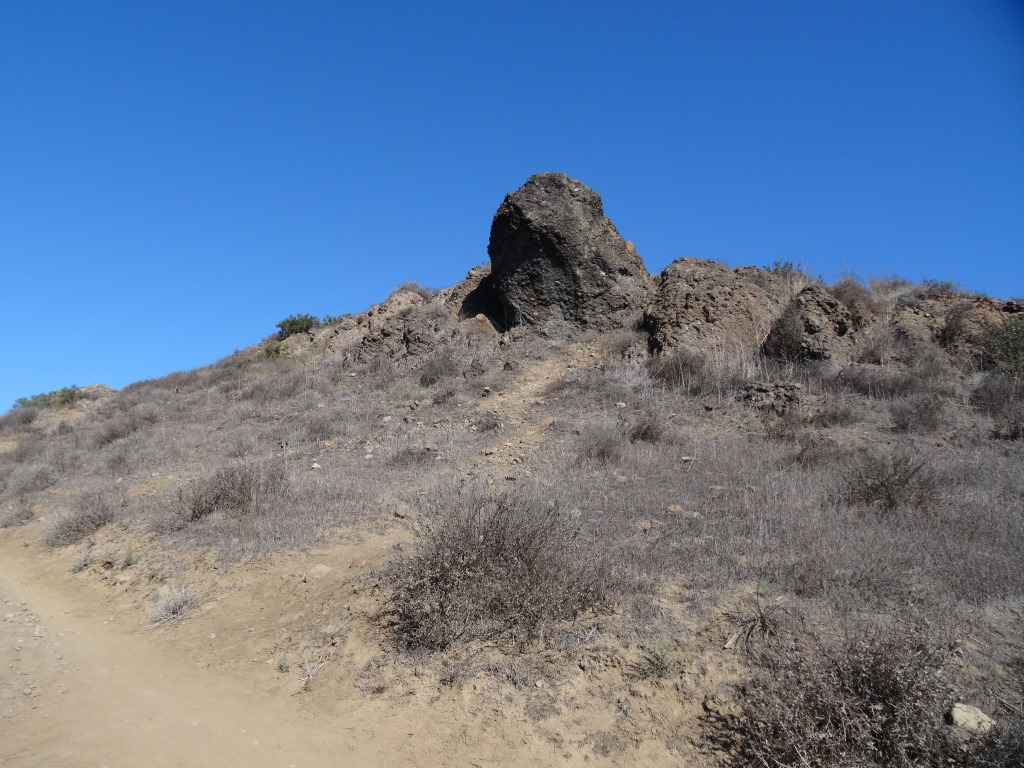
Lizard Rock at Wildwood Park

Lizard Rock at Wildwood Park

Lizard Rock is a popular 2 mile round trip destination for hikers from the main parking area in Wildwood Park, mostly on the Mesa Trail. It is a moderate hike with an elevation gain of about 300 feet to its peak at 931 feet.

Sign just south of Lizard Rock indication direction of Lizard Rock Trail towards Wildwood Canyon

Sign just south of Lizard Rock indication direction of Lizard Rock Trail towards Wildwood Canyon

After reaching Lizard Rock, some folks (hikers and bikers) venture further south on the Lizard Rock Trail about .8 mile of downhill that takes you past the City of Thousand Oaks Hill Canyon Water Treatment Facility to the Wildwood Canyon area, a drop of about 600 feet in elevation.

View of Hill Canyon Waste Treatment Plan from near Lizard Rock

View of Hill Canyon Waste Treatment Plan from near Lizard Rock

The descent down the Lizard Rock Trail provides nice views into the Santa Rosa Valley as it zigs and zags towards the bottom. You can see Hill Canyon from Lizard Rock but as you move down the hill you will get a much clearer view of this high tech facility that converts wastewater into a reusable water source. You will indeed catch some whiffs of smells that aren't particularly pleasing down there but having been down there myself a number of times, it ain't that bad.

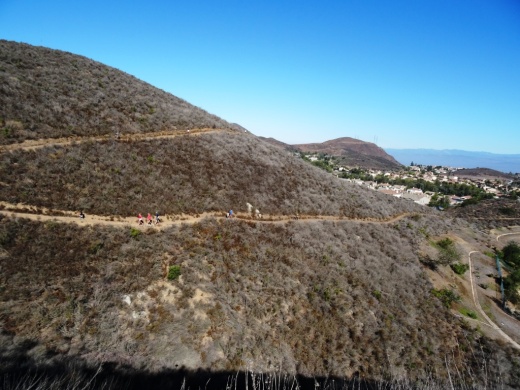
The descent down Lizard Rock Trail

The descent down Lizard Rock Trail

Before you reach the bottom, there are several overlook benches available to take a break as you look towards the Arroyo Conejo, Santa Rosa Valley and beyond.

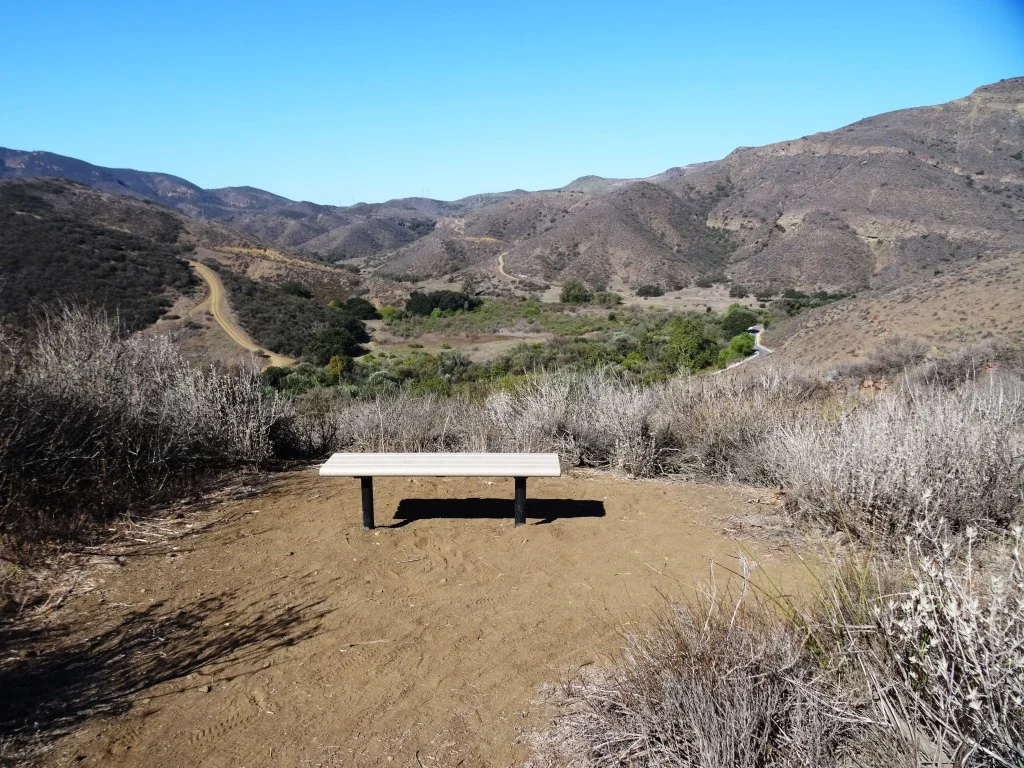
The first of two overlook benches facing west on the Lizard Rock Trail

The first of two overlook benches facing west on the Lizard Rock Trail

A view of the same bench looking back up (north) towards Lizard Rock (yes, that's the lizard head poking out of the hill on the right).

A view of the same bench looking back up (north) towards Lizard Rock (yes, that's the lizard head poking out of the hill on the right).

And here's the 2nd bench, further down the Lizard Rock Trail. Is that actual green I see up ahead in late September!? Yes it is. Must be drought-tolerant native shrubs!

And here's the 2nd bench, further down the Lizard Rock Trail. Is that actual green I see up ahead in late September!? Yes it is. Must be drought-tolerant native shrubs!

Hill Canyon comes into closer view

Hill Canyon comes into closer view

As you can see, the Lizard Rock Trail starts heading back east as it traverses the Hill Canyon Treatment Plant. Amazing facility. I wouldn't want to go swimming in the green liquid however.

As you can see, the Lizard Rock Trail starts heading back east as it traverses the Hill Canyon Treatment Plant. Amazing facility. I wouldn't want to go swimming in the green liquid however.

At the very bottom of the trail, after you have completely passed the water treatment plant, you see this sign that indicates you are on your way towards Lower Wildwood Canyon.

At the very bottom of the trail, after you have completely passed the water treatment plant, you see this sign that indicates you are on your way towards Lower Wildwood Canyon.

So you've reached the bottom of Wildwood Canyon and other than heading back up that steep Lizard Rock Trail to where you just came from, you can take the more interesting loop route following the Wildwood Canyon Trail to Wildwood Canyon. There are restrooms, drinking fountain and picnic tables in there.

From Wildwood Canyon, either continue onward up the Wildwood Canyon Trail about a third of a mile to Paradise Falls, or the Tepee Trail (yes, this is what it is called on the map), which largely parallels the Wildwood Canyon Trail, up towards, yes, the Tee Pee. Then follow the signs back

There is a great map that covers this Lizard Rock to Paradise Falls to Two Springs (formerly Indian Creek) Trail loop, about 4 1/2 miles in total, on the Conejo Open Space Foundation website at www.cosf.org/website/html/lizard-waterfall-creek.html.

Since we're down at the bottom of the canyon, you will see a sign for "Skunk Hollow." This is a tree-lined area adjacent to the creek with a picnic bench. Kind of nice little area, just around the corner from the waste treatment plant, albeit not within view of the plant. 

And in that area, you will see a sign indicating Eagle Point Trail. Eagle Point Trail is a hilly little 1/3 of a mile alternate route that gets you into Wildwood Canyon. The first section has dozens of steps. The remainder has a few steep sections. Just a small side attraction to check out. 

Eagle Point Trail Wildwood Park

El Rincon, El Cerro and Las Brisas Trails in Dos Vientos Section of Newbury Park

In the heart of Dos Vientos (Spanish for Two Winds), there are three trails that are accessible from multiple spots by walkers, hikers, runners and bikers. These are the El Rincon, El Cerro and Las Brisas trails. These trails are all nicely maintained, single track and provide great views of the surrounding areas. Other trails surrounding Dos Vientos include the Vista Del Mar Trail, Sierra Vista Trail, Sumac Trail (kind of parallels Sierra Vista Trail), El Encanto Trail and Powerline (Edison Road) Trail, as well as the Potrero Ridge Trail.

ElRincon_trailhead.JPG

Access to the El Rincon Trail is near the corner of Via Rincon and Rancho Dos Vientos. The trail is about 4/10ths of a mile and connects with the El Cerro and Las Brisas trails.

ElRinconTrail1.JPG
ElRinconTrail2.JPG

Access to El Cerro and Las Brisas trails is at the juncture of Via Las Brisas and Calle Del Prado and several other points. Visit https://cosf.org/files/maps/dos_vientos_trail_map.pdf for a trail map on the Conejo Open Space Foundation website.

ElCerroLasBrisas_sign.JPG

Wishbone Trail in the North Ranch Open Space

The Wishbone Trail is a two mile round trip, moderately steep trail that takes you from the west end of Westlake Village Community Park through the North Ranch Open Space to the Bowfield Trail. There are two entry points - one directly behind the baseball fields and the other at the far west end of the parking lot.

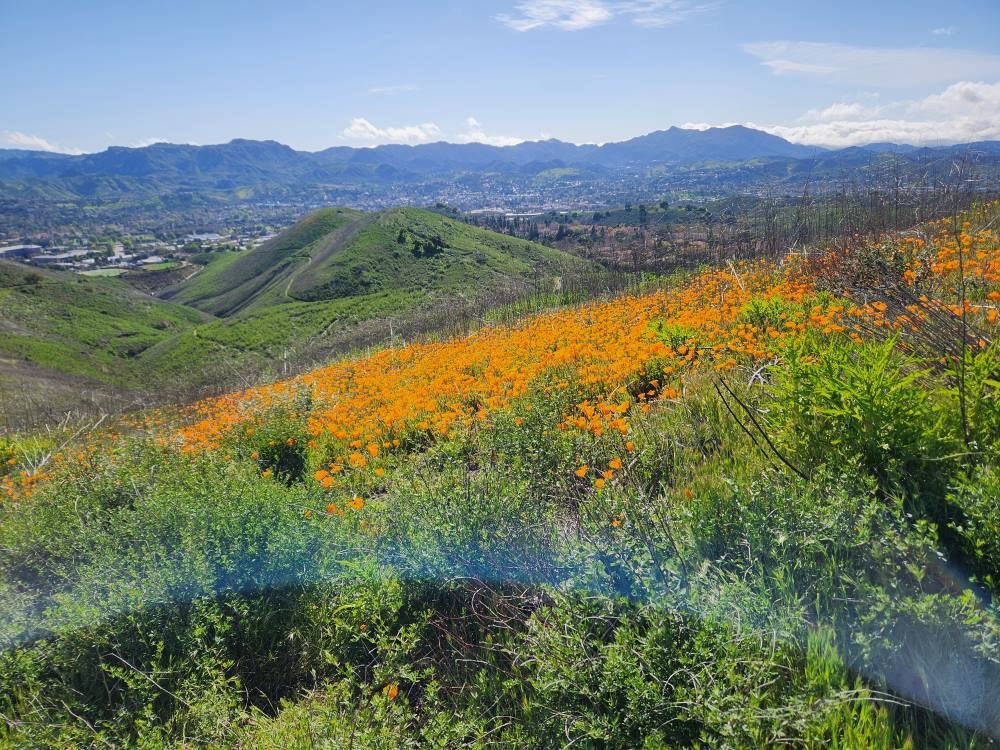
This is one of the newest trails in the Conejo Open space, constructed in 2018. If you’re looking for views, you will get them on this trail. Clear views of Ladyface Mountain on the south, the Boney Mountain Range and other local scenes. And this is the best place to catch California poppies in the spring, in most years. There are several view benches along the west trail as well as a bench at the top, near the juncture with the Bowfield Trail.

More information on the Conejo Open Space Foundation website at cosf.org/files/routes/Wishbone%20Trail.pdf. Westlake Village Community Park is located at 31107 Thousand Oaks Boulevard.

View from the east Wishbone Trial looking west towards the west Wishbone Trail. It is definitely not a flat trail - it is a moderately steep trail.

This access point to the east fork of the Wishbone Trail is directly behind the baseball fields on the west side of Westlake Village Community Park. The other entry point is past the baseball fields at the far west end of the parking lot.

There are some patches of poppies visible off of the Wishbone Trail in the spring but the biggest patches seem to be off of the connecting Bowfield Trail. the wetter the winter, the bigger the poppy display.

Corriganville Park in Simi Valley

Corriganville3.JPG

Corriganville Park is a historical 206 acre park located at 7001 Smith Road in Simi Valley that is owned and operated by the Rancho Simi Recreation and Park District. The park has over four miles of hiking, biking and equestrian trails, sandstone cliffs, an oak forest, seasonal stream, shaded picnic areas, Camp Rotary Youth Campground, picnic shelter and more.

The park is named after Ray "Crash" Corrigan, a stuntman/actor who owned the park from 1937 to 1965, when over 3,500 movies, TV shows and commercials were filmed there. In 1949, the Corrigan Movie Ranch opened as a Western-style amusement park with a train ride and stagecoach ride that in the late 1950s had greater weekend attendance than Disneyland and Knott's Berry Farm.

Corriganville4.JPG

Bob Hope bought the property in 1965 and renamed it Hopetown, but filming stopped after a year. The ranch burned down in the 1970s and all that is left are the cement slabs and exterior rock walls of the barn. You've got to visit the Santa Susana Depot Museum around the corner from Corriganville and see the model of what Corriganville looked like in 1960, then visit the park to see the slabs and imagine what it was like back then.

There is an interpretative trail at Corriganville with 20 markers that provide information about the vegetation and surroundings as well as some of the history. Visit www.rsrpd.org/business_detail_T9_R53.php for a link to pdf brochures with information about the history and trails of the park. Or call 805.584.4400.

Corriganville1.jpg
Corriganville2.jpg

New Millennium Trail in Calabasas

new millennium trail.jpg

The New Millennium Trail is a loop that is accessible from the Bark Park Trail in Calabasas. In total the loop is about 12 miles.

The Calabasas Bark Park is located at 4232 Las Virgenes Road. Park there and you’ll see the Bark Park Trailhead on the north side of the dog park. Take it about 1.2 miles until you reach the following fork in the trail.

The New Millennium Trail is a challenging series of switchbacks and hills on mostly single track trails. This is a popular trail with mountain bikers. If you’re a runner or hiker, to be aware that you may encounter bikers and have to your best make room for the cyclists to pass by.

The trail itself is usually quite well maintained, but be careful because the single track can be tight in sections as you make your way up the hills.

Learn more about the trail on the LA County Department of Parks and Recreation website at trails.lacounty.gov/Trail/1754/new-millenium-trail.

new millennium sign1.JPG
new millen 2.JPG
new millen 0.JPG

Medea Creek Natural Park in Oak Park

MedeaCreekNP_sign.JPG

Medea Creek Natural Park has hiking, biking and fitness trails that stretch from Calle Rio Vista and Oaks Hills Drive in Oak Park on the north, then south past Medea Creek Lane and Conifer Street to a cul de sac entrance to the park at the west terminus of Tamarind Street.

Nicely paved Medea Creek Trail north towards Kanan/Oak Park Library

Nicely paved Medea Creek Trail north towards Kanan/Oak Park Library

The paved Medea Creek Trail, great for walks as well as casual bicycling, has a northern entry point at Kanan Road across from Deerhill Road (adjacent to the Oak Park Library). It crosses Sunnycrest Drive, where there is street parking, so you do need to be careful with kids when you cross.

Medea Creek runs through suburbia via this wash, where you will see some neat bird activity.

Medea Creek runs through suburbia via this wash, where you will see some neat bird activity.

The nature loop trail is about 1.5 miles. You will likely see ducks and perhaps other birds enjoying the creek as you choose between the paved and dirt paths. There's also a fitness circuit. It is kind of interesting as you'll see multiple layers of trails; some dirt, some paved, some grassy, some in the creek.

Multiple paths and areas to explore at Medea Creek.

Multiple paths and areas to explore at Medea Creek.

Medea Creek Natural Park is managed by the Rancho Simi Recreation and Park District www.rsrpd.org/business_detail_T9_R29.php

MedeaCreekPark_sign.JPG
Sign at east end terminus of Tamarind StreetFitness course signs along 1.5 mile path.

Sign at east end terminus of Tamarind StreetFitness course signs along 1.5 mile path.

National Park Service Visitor Center in Thousand Oaks (Moved to Calabasas in 2012)

IN JUNE 2012, THE NATIONAL PARK SERVICE VISITOR CENTER MOVED TO THE ANTHONY C. BEILENSON VISITOR CENTER IN CALABASAS. CLICK THIS LINK FOR MORE INFORMATION

The National Park Service Visitor Center, located at 401 West Hillcrest Drive in Thousand Oaks, is an outstanding place to learn more about the Santa Monica Mountains National Recreation Area (SSMNRA). SSMNRA is over 154,000 square acres, which makes it the largest urban national park in the United States.

The National Park Service controls 21,500 of those acres and the best place to learn more about the SMM is this Visitor Center! There is always has someone on duty to answer questions about trails, maps, habitat, plants, hiking, camping, etc. Additionally, the Center has informational displays, maps and brochures, books and educational items for the kids for sale.

Visit the NPS website at www.nps.gov/samo for more information or call the Center at 805.370.2301.

Mugu Peak in Point Mugu State Park

The 1,266 foot elevation Mugu Peak is at the western edge of the Santa Monica Mountains, in Point Mugu State Park. The peak provides views stretching from the Malibu Lagoon/Naval Base Ventura County and Channel Islands on the west, Thornhill Broome Beach on the east, La Jolla Valley on the north and more.

There are multiple ways of getting to the peak. The most direct (and albeit steepest) ascent is via the Chumash Trail, accessible across from the Naval Base shooting range (yes, sometimes you will hear rounds). The Chumash Trail is accessible off of PCH at this link. Look for the left turn into a small dirt parking area that has space for perhaps 15 or so cars.

The 7/10ths of a mile hike up the Chumash Trail is pretty brutal, but I've seen all shapes, sizes and ages making it up at varying paces.

Turn left after reaching the top of the Chumash Trail. Veering left continues the Chumash Trail towards La Jolla Valley. Veer right up the really steep hill for the most direct route to Mugu Peak.

Turn left after reaching the top of the Chumash Trail. Veering left continues the Chumash Trail towards La Jolla Valley. Veer right up the really steep hill for the most direct route to Mugu Peak.

The initial Mugu Peak Trail section is quite steep, then you plateau, then the remainder is more moderate, seen above.

The initial Mugu Peak Trail section is quite steep, then you plateau, then the remainder is more moderate, seen above.

The Mugu Lagoon within Naval Base Ventura County is a colorful sight from throughout the hike and at the top of Mugu Peak.

The Mugu Lagoon within Naval Base Ventura County is a colorful sight from throughout the hike and at the top of Mugu Peak.

Looking northwest from Mugu Peak you will see the the 1,421 foot Laguna Peak, which contains a Naval satellite tracking station.

Looking northwest from Mugu Peak you will see the the 1,421 foot Laguna Peak, which contains a Naval satellite tracking station.

Views southeast with Thornhill Broome Beach in the background.

Views southeast with Thornhill Broome Beach in the background.

So you've reached the top of Mugu Peak, enjoyed the panoramic views, saluted the flag on display, checked out the toolbox under the flag with logbooks and other items, the next choice is, do you go back the way you came or do you take another route? If you head back the direction you came, the title mileage of the hike is about 2 1/2 miles of mostly steep up/downhills.

Well, if you continue in the direction of Thornhill Broome Beach (southeast), you can continue on the Mugu Peak Trail, which is several miles traversing around the southern, then western sections of Mugu Peak. This is my preferred approach as the footing is much easier and your total mileage is roughly 4 miles. Plus, you are treated to additional views that are just beautiful.

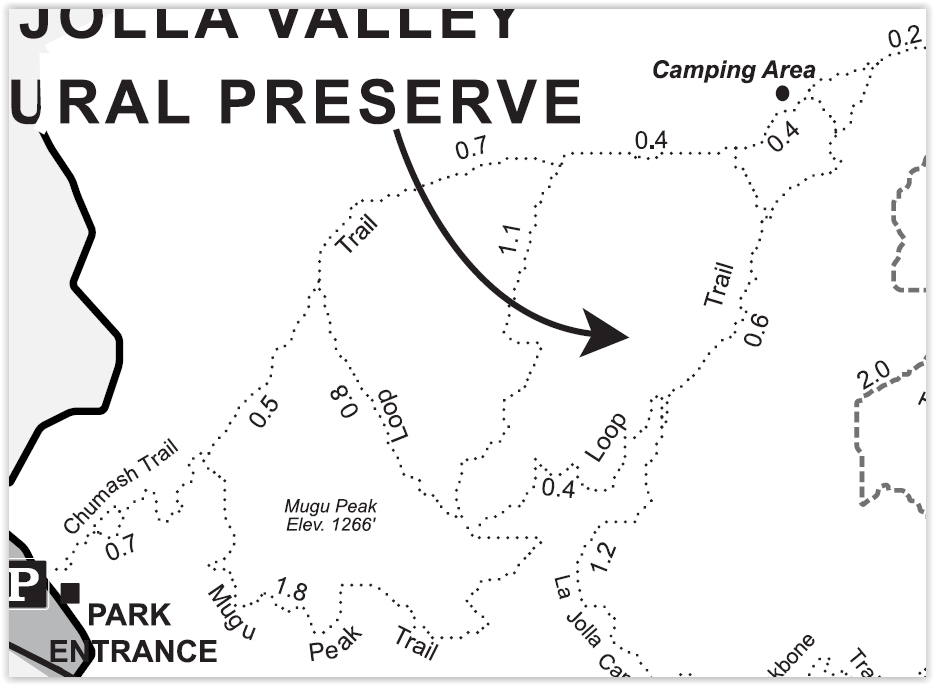
Map snippet courtesy of California State Parks.

Map snippet courtesy of California State Parks.

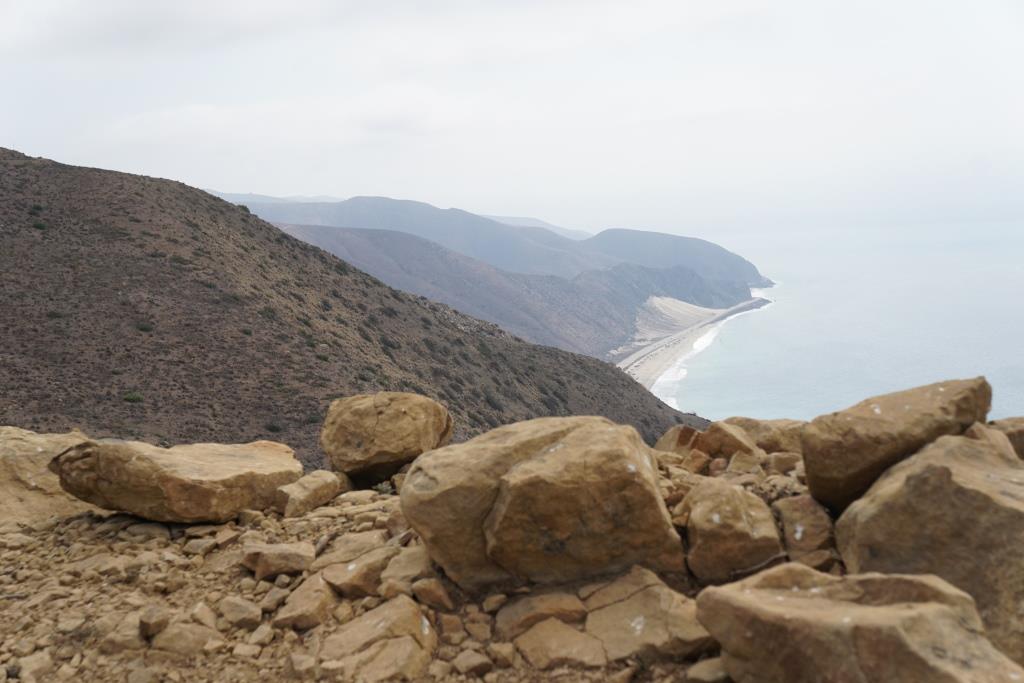
Another view of Thornhill Broome Beach and the large sand dune across PCH from the southeastern edge of the Mugu Peak Trail.

Another view of Thornhill Broome Beach and the large sand dune across PCH from the southeastern edge of the Mugu Peak Trail.

You can also get to Mugu Peak from the La Jolla Canyon Loop Trail.

Oak Creek Canyon Loop Trail in Thousand Oaks

The Oak Creek Canyon Loop Trail is about a mile hike that is great to do with the kids near the Los Robles Trail in Thousand Oaks.

Get there by taking Moorpark Road south of the 101 until it ends at Greenmeadow Avenue. Turn right and drive about half a mile to the parking lot.

Signs along the Oak Creek Canyon Whole Access Interpretative Trail are in braille.

Signs along the Oak Creek Canyon Whole Access Interpretative Trail are in braille.

The first .4 mile section of trail is called the Oak Creek Canyon Whole Access Interpretive Trail and is a mostly shaded oak grove area that is accessible by all, including equestrians, bicycles, hikers, wheelchairs, disabled and blind individuals. There is actually a "guide cable" along the fence as well as informational signs in braille.

One of three picnic benches along the Interpretive Trail.

One of three picnic benches along the Interpretive Trail.

There is a restroom, drinking fountain and picnic bench at the trailhead as well as two other picnic tables and a bench on this portion of the trail. There is also abundant poison oak on the sides of the trails, so be careful to stay on the trail.

OakCreekTrail3

At the end of the Interpretive Trail section of the loop, you reach a well maintained dirt trail through the chaparral that is a bit more challenging and ok for most kids. There's a few moderate hills to be aware of, making it somewhat of a challenge with a stroller but in my opinion, a do-able challenge. And of course, you can always turn around and take the Interpretive Trail back. 

The loop trail continues on the left.

The loop trail continues on the left.

One of the moderate hills on the trail.

One of the moderate hills on the trail.

You go about .4 mile back towards Greenmeadow. Before you get to the street you will see a bench on the west side of the trail. Do be aware that there is no sidewalk on this section of Greenmeadow as you walk back towards the parking area. More information and a map available on the Conejo Open Space Foundation website at www.cosf.org/website/html/oak-creek-canyon.html.

Reagan Ranch at Malibu Creek State Park

Most folks start their day at Malibu Creek State Park from the main parking lot area off of Las Virgenes Road or perhaps by parking on Mulholland Highway at Las Virgenes and hiking in via the Grassland Trail to Crags Road, the main artery within the park. Another approach into the park is the Reagan Ranch, accessible from a parking area located off of Lake Vista Drive, just south of the juncture of Cornell Road and Mulholland Highway. What's nice about this parking area is that there is no charge for parking.

Ronald Reagan bought this 300+ acre ranch in 1951 and subsequently sold it to 20th Century Fox as a movie ranch in 1966 after he became Governor of California. It was later sold to the State and made part of Malibu Creek State Park.

After parking your car in the lot, walk up the paved road where you will see some older ranch buildings. These are used by California State Parks employees and are not accessible by the general public. But you may feel an aura of Reagan back here.

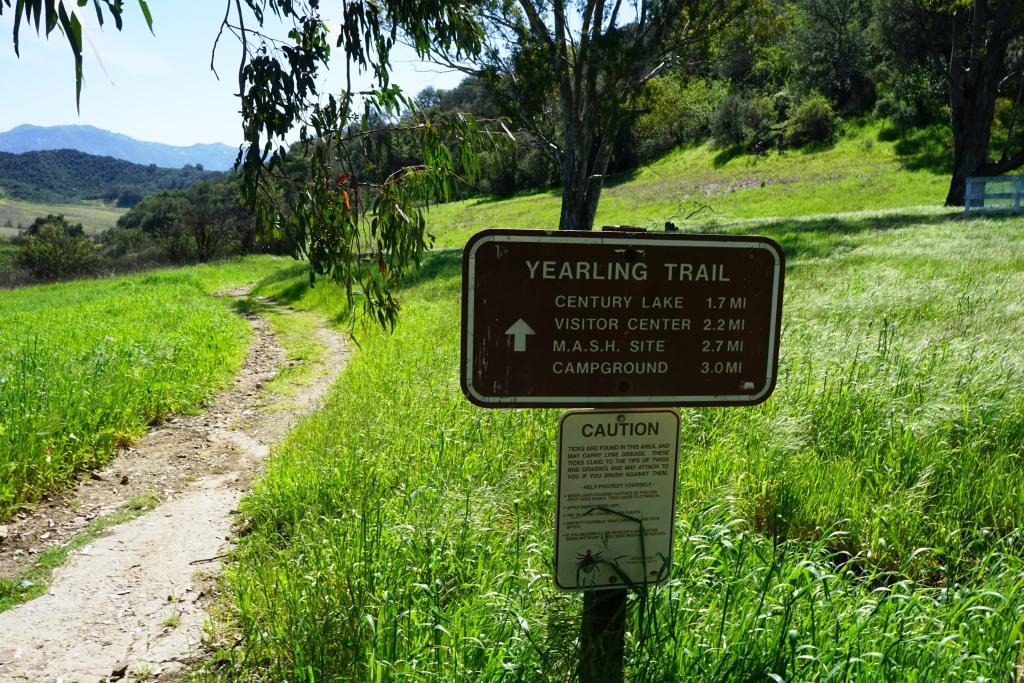
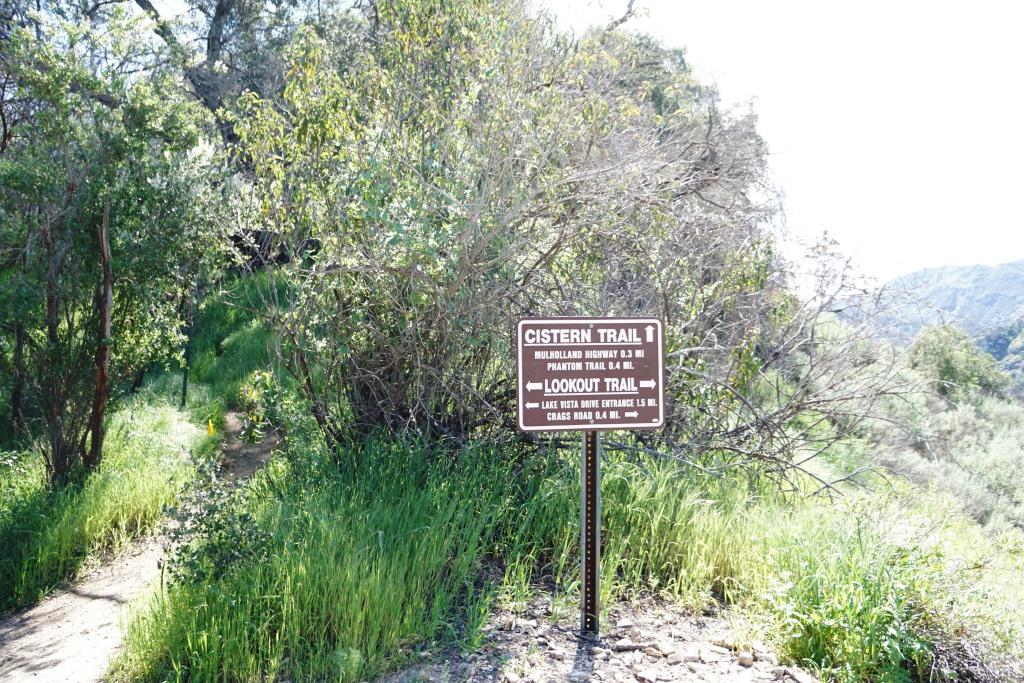
The "Yearling Trail" leads you towards the heart of Malibu Creek State Park. Less than 2 miles to Century Lake, just over 2 miles to the Visitor Center and 2.7 miles to the M*A*S*H site. Stay on the main trail, which about a mile in starts on an uphill. You'll see a sign that indicates you are on the "Lookout Trail." Continue on this trail and you will soon see why they call it that - look out and you will have great views of the main park and of Century Lake.

There are several other trails you can explore too back here.

More info on Malibu Creek State Park at www.parks.ca.gov/?page_id=614

Mission Historical Park and A.C. Postel Garden in Santa Barbara

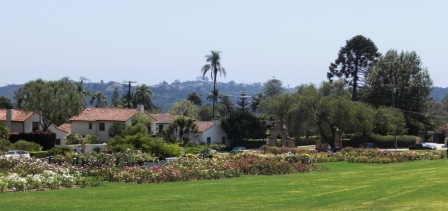
Directly across the street from the Old Santa Barbara Mission is the 8 acre Mission Historical Park (at the corner of Los Olivos and Laguna Street). The centerpiece of this park is the A.C. Postel Mission Rose Garden which has a stunning All American Rose Garden with over 1,500 rose plants. It is appealing to both your sense of sight and sense of smell.

MissionParkPic1.JPG
MissionParkPic2.JPG
MissionParkPic3.jpg
MissionParkPic4.JPG
MissionParkPic6.jpg