What's the Deal With All of Those Signs Posted at the Swimming Pool

My kids get a laugh from time to time when they notice the sign at the public swimming pool that states, "Persons having currently active diarrhea or who have had active diarrhea within the previous 14 days shall not be allowed to enter the pool water." 

The thought comes to mind, should one have had this issue, how many people would actually remember if it was within the last 14 days. Heck, I can't even remember what I ate for breakfast yesterday and what I watched on TV last Sunday.

But the sign is well intended as waterborne disease is no laughing matter. Waterborne disease outbreaks in pools have often been caused by individuals with recent diarrhea; chlorine doesn't always take care of removing the viruses or parasites that can come from those with recent symptoms.

The requirement for this and other community pool signs comes from California Building Code Chapter 31B "Public Pools," Section 3120B "Required Signs."
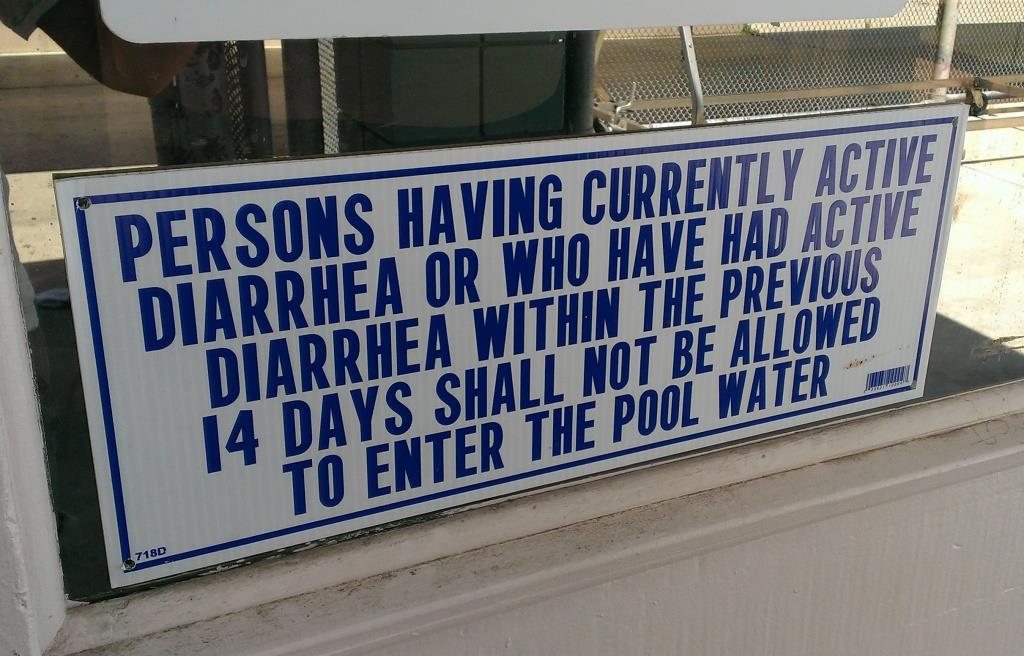
Section 3120B.11 "Diarrhea" indicates the sign must have letters at least 1 inch high, clearly states what is noted above, and is posted at the entrance area of a public pool. Public pools include municipal/park district pools, hotel pools, water parks, swim schools, homeowner shared pools, apartment pools, campground pools, etc. One is thus not required to post this sign at your home pool (unless you really want to).

CDC ADVICE TO PREVENT INFECTIONS FROM PUBLIC SWIMMING POOLS

According to this source, the diarrhea sign and a variety of other pool signs were put into law in late 2012. Some examples of other public pool sign requirements include:

  • "No Diving" sign for pools with maximum depth of 6 feet or less

  • "No Lifeguard" sign when applicable

  • Emergency sign with 911 and nearest emergency services

  • "No use after dark" sign for pools without lighting

  • Artificial respiration and CPR sign

  • Pool user capacity sign (1 person per 10 sq ft in spa; 1 person per 20 sq ft in pool)

So you've learned something new. If you'd like to read the entire Chapter 31B “Public Pools” of the California Building Code, or any section of the Code for that matter, visit www.bsc.ca.gov/Codes.aspx.

DOZENS OF VENTURA COUNTY AREAS SWIMMING POOLS AND WATER PLAY PLACES

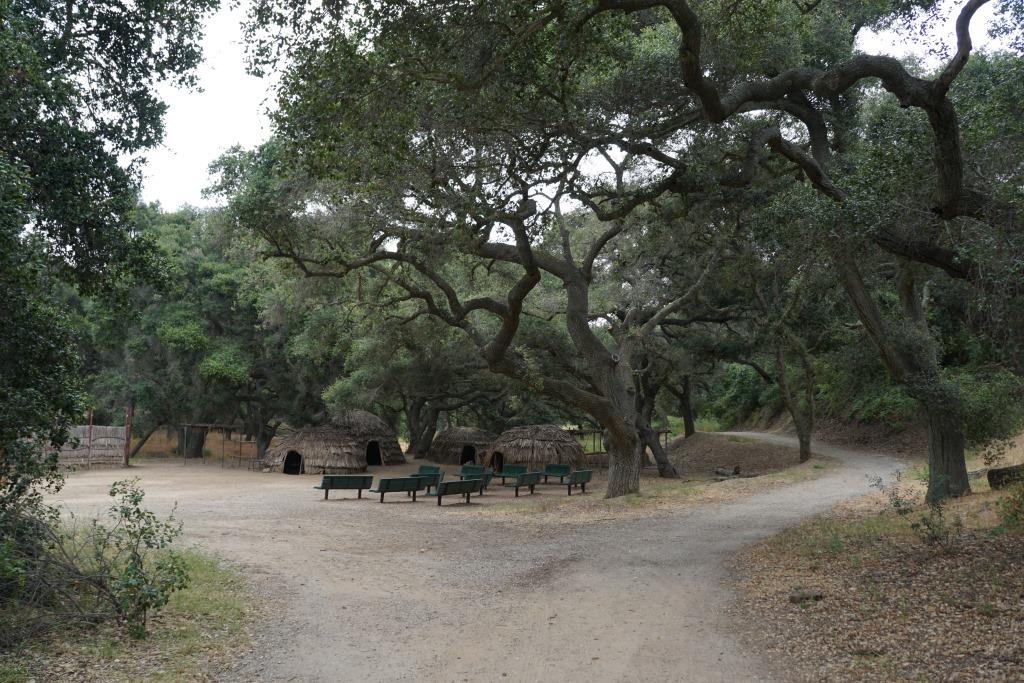
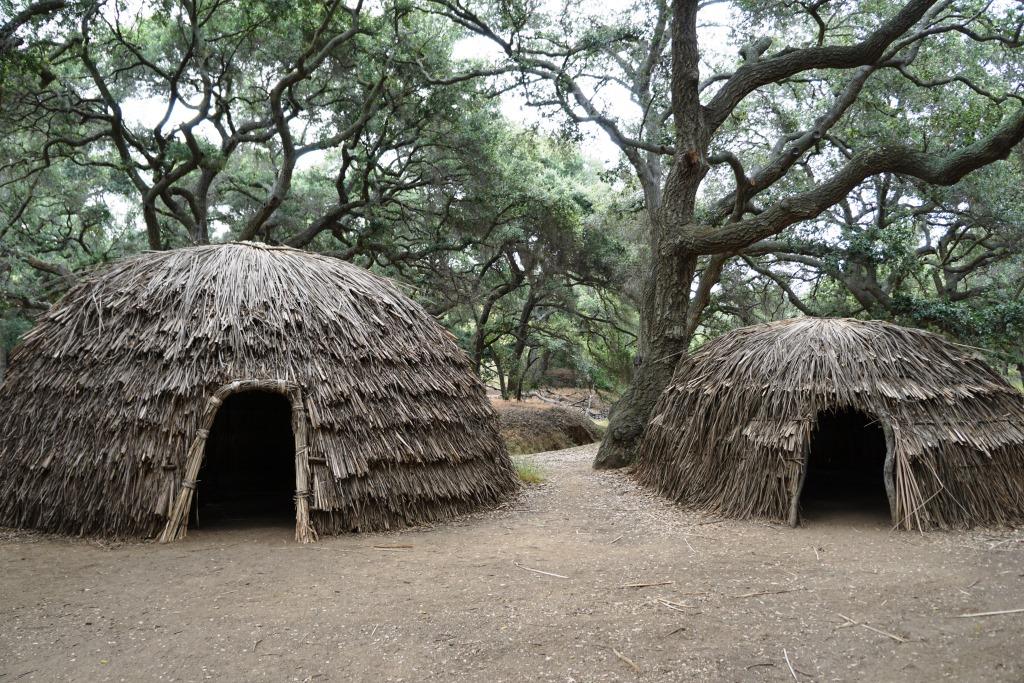
Oakbrook Regional Park Archaeological Area in Thousand Oaks is City Historical Landmark #5

Oakbrook Regional Park Archaeological Area is located at 3290 Lang Ranch Parkway in Thousand Oaks, south of the intersection of Avenida de los Arboles and Westlake Boulevard.

This 428 acre park is a designated historical landmark by the City of Thousand Oaks and County of Ventura. The Chumash inhabited this area going back as far as 12,000 years ago through the late 1800's. 

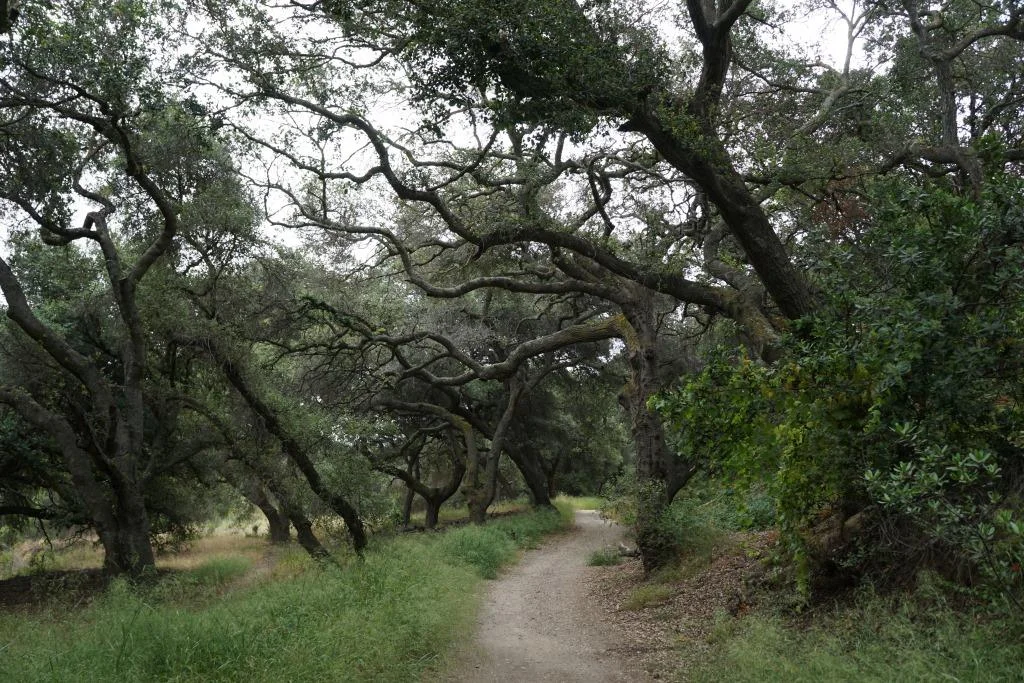
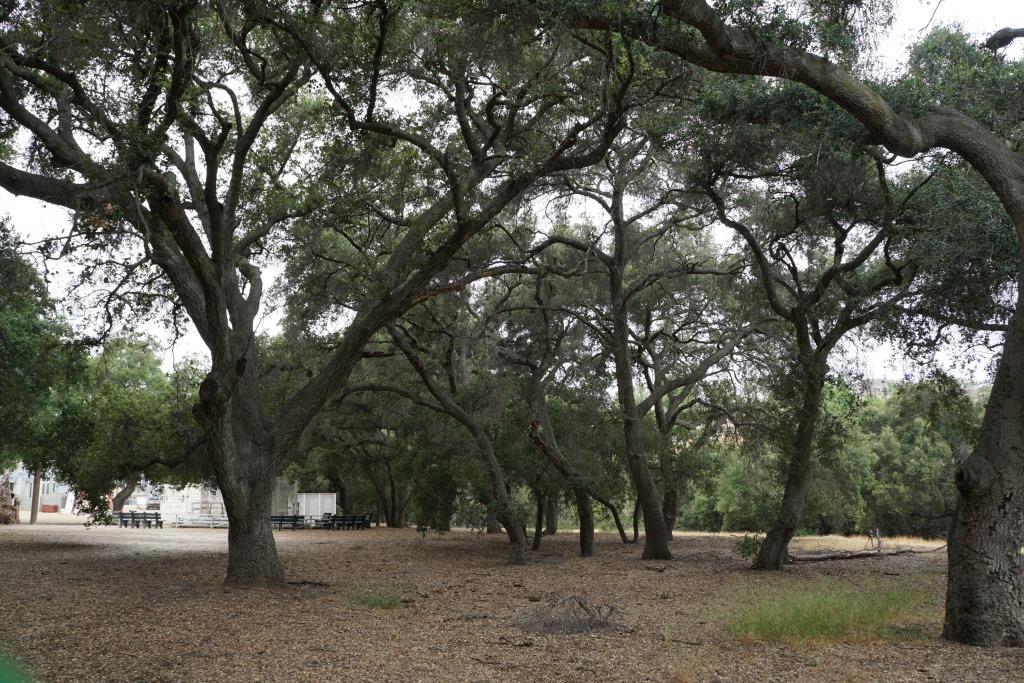
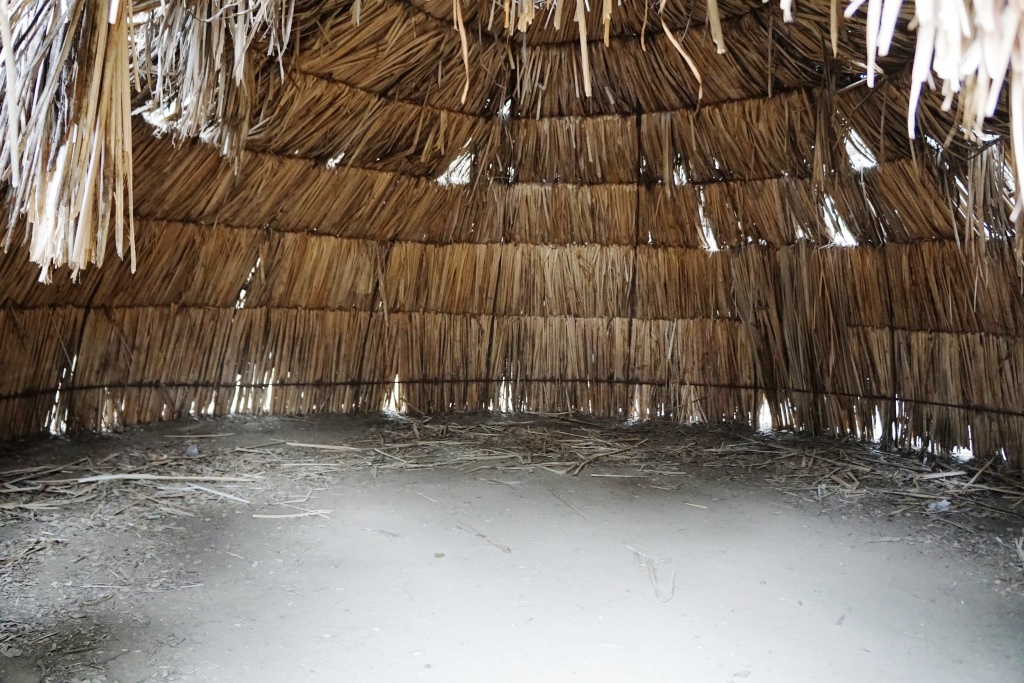
The park grounds are open to the public daily from 7 a.m. to 10 p.m.  There are flat hiking trails and a Chumash village reproduction available to explore. The oak trees provide a beautiful canopy for hikers. It is a peaceful place worth exploring. Note that dogs are prohibited from the property.

Located on the property is the Chumash Indian Museum, which contains a large collection of Chumash artifacts. The museum is open on Saturdays and Sundays from 10 a.m. to 4 p.m.

More information on Oakbrook Regional Park at www.crpd.org/park/oakbrook-regional-park.

Hiking and Exploring in Rancho Sierra Vista/Satwiwa in Newbury Park

Entrance to Rancho Sierra VistaSatwiwa at Lynn Road and Via Goleta in Newbury Park

Located on the western edge of the Santa Monica Mountains National Recreation Area, Rancho Sierra Vista/Satwiwa is accessible in Newbury Park at the intersection of Lynn Road and Via Goleta. This area spans from Potrero Road on the north and connects to Point Mugu State Park on the south.

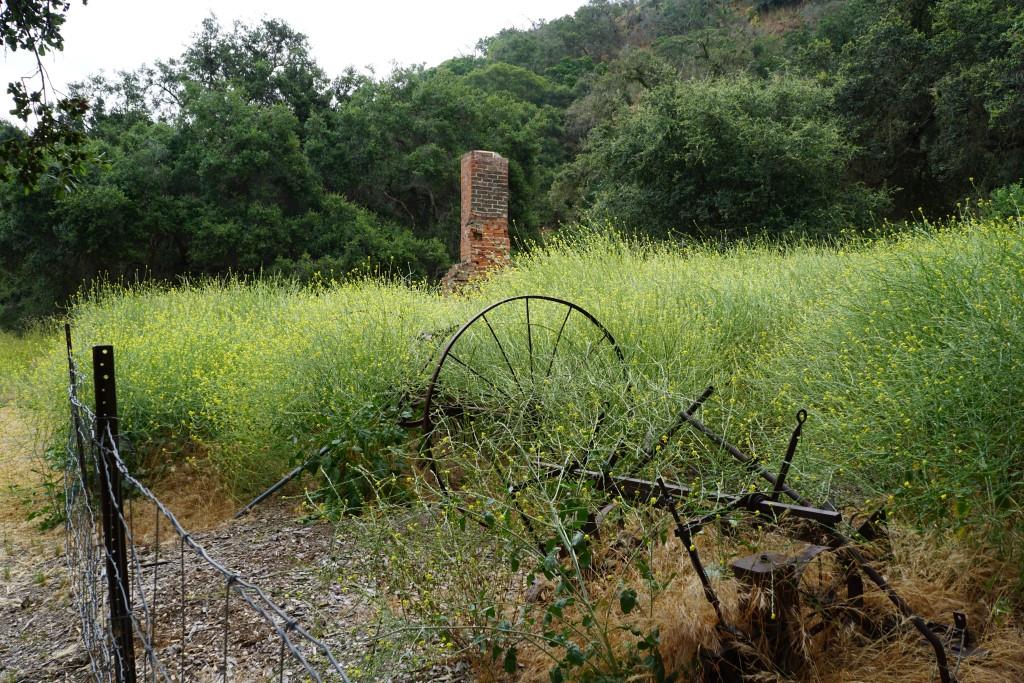
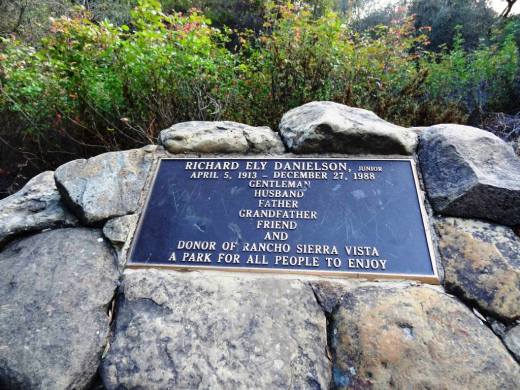
Ranching in the area dates back to the early 1800s, when Spanish soldiers were granted 48,672 acres of land, "Rancho El Conejo," which through the years was subdivided and sold to other landowners. One of these ranchers was Carl Beal, who in 1937 named the area Rancho Sierra Vista "Mountain View Ranch." The last private landowner in the area was Richard Danielson, whose family farmed and ranched the area for 32 years. Danielson donated 5,585 acres of the ranch to the State of California, which became part of Point Mugu State Park, and sold 850 acres, including the horse ranch, to the National Park Service in 1980.

Sign at Danielson Monument accessible via Danielson Road/Old Boney Trail.

Sign at Danielson Monument accessible via Danielson Road/Old Boney Trail.

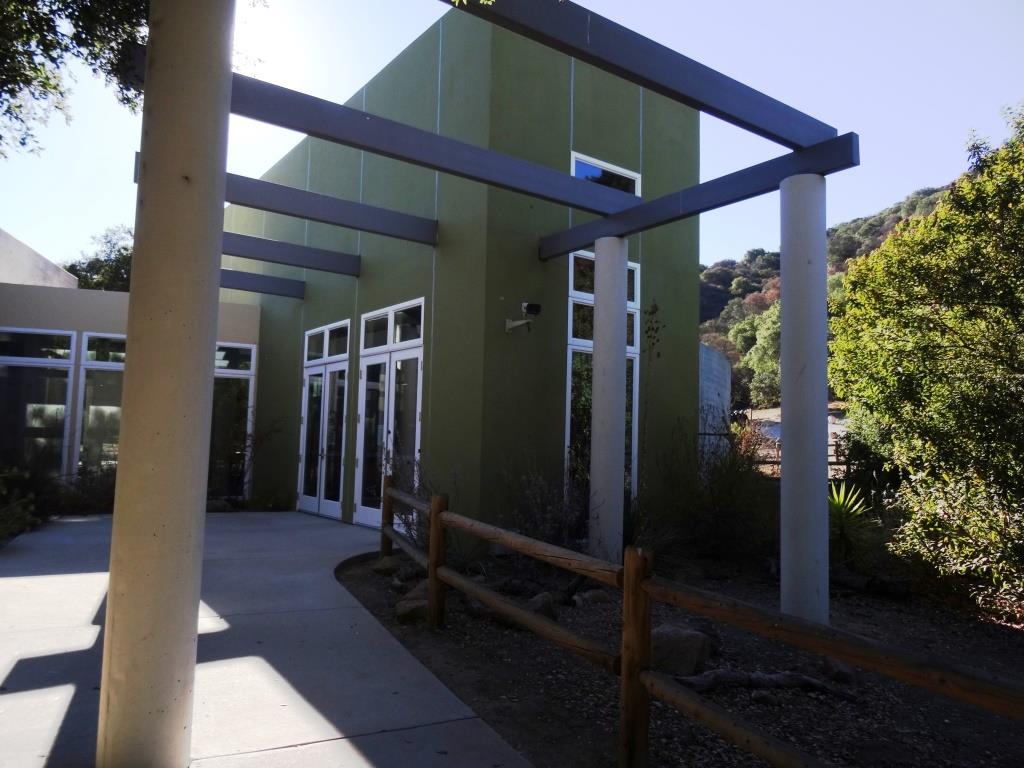
The Satwiwa Native American Indian Natural Area is a bike/horse free area within Rancho Sierra Vista/Satwiwa of roughly 60 acres. Located on the northwest corner of this area, just a short walk from visitor parking, is the Satwiwa Native American Culture Center.

The Culture Center is staffed from 9 a.m. to 4 p.m. most weekends with a park ranger or other staff. It is a small building that also hosts a variety of educational Chumash and wildlife items. NPS BROCHURE AND TRAIL MAP

Learn more about RSV at www.nps.gov/samo/planyourvisit/rsvsatwiwa.htm.

SatwiwaSign.JPG

The area is a popular destination for hikers with a variety of well maintained trails. Note, however, that bicycles and horses are not allowed in the "Satwiwa Natural Area" section (see map below).

Map excerpt courtesy of National Park Service.

Map excerpt courtesy of National Park Service.

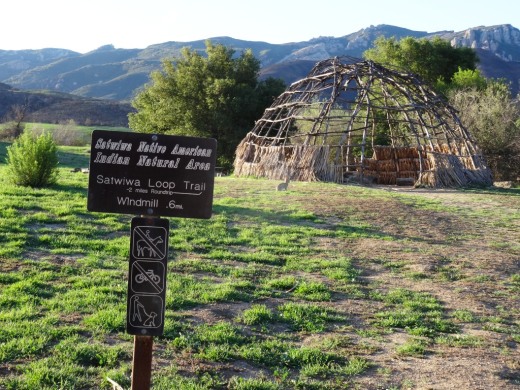
The Satwiwa Loop Trail is an easy, 2 mile trail that starts at the Culture Center through grasslands, past the old windmill and back around, with several extensions for those looking to do a little more.

SatwiwaLoopTrail_sign.jpg

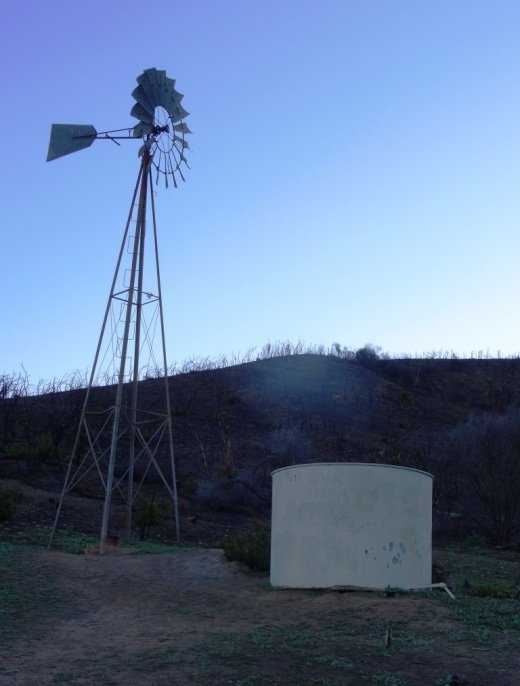
There's the Lower Loop Trail and the Upper Loop Trail that is a bit of a zig-zaggy trail with wooden footings placed by volunteers to help hikers navigate. The Upper Loop Trail runs past the "Old Windmill" pictured below.

Satwiwa Lower Loop sign at intersection of Danielson Road trail.

Satwiwa Lower Loop sign at intersection of Danielson Road trail.

The old windmill at the northeast corner of the Satwiwa Loop Trail (Upper Loop). (Windmill was knocked down by high winds in December 2016 and is still down as of MAY 2024).

You can also park at the Wendy and Potrero trailhead and walk to the Culture Center via the Wendy Trail, about a mile each way.

Wendy Trail trailhead at the intersection of Wendy and Potrero in Newbury Park

Wendy Trail trailhead at the intersection of Wendy and Potrero in Newbury Park

It is pretty dry in here most of the year but after the winter/spring rains, the green stages a comeback.

It is pretty dry in here most of the year but after the winter/spring rains, the green stages a comeback.

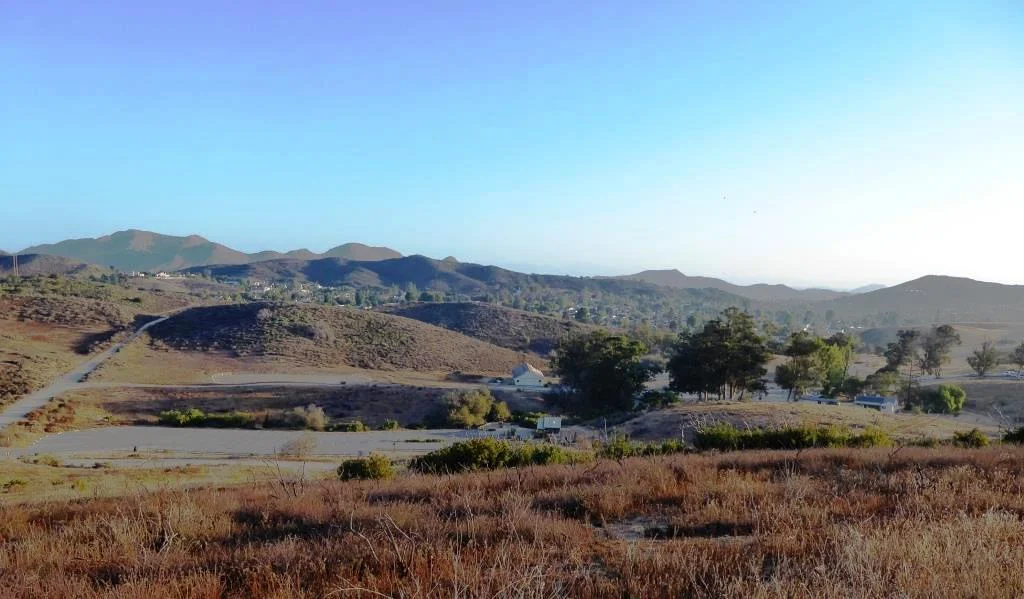
Another trail to explore is the 1 mile Ranch Overlook Trail that takes you from just west of the Satwiwa Native American Indian Culture Center, up a hill (where you can indeed look down toward the old ranch area, parking area and restrooms) to the main entrance and to the Palomino Trail in the Rancho Potrero Open Space.

Ranch Overlook Trail

Ranch Overlook Trail

One of my favorite trails in Rancho Sierra Vista/Satwiwa is the Hidden Valley Overlook Trail. This challenging, fairly steep trail branches off from the Satwiwa Loop Trail on the southeast, past the bench at the Upper Sycamore Canyon Overlook, via the Boney Mountain Trail/Danielson Road.

The popular bench at Upper Sycamore Canyon Overlook. Photo taken April 4, 2014, approximately 11 months after the devasting Springs Fire of 2013.

The popular bench at Upper Sycamore Canyon Overlook. Photo taken April 4, 2014, approximately 11 months after the devasting Springs Fire of 2013.

Roughly 700 feet past the Upper Sycamore Canyon bench is a juncture where you can either veer right into Point Mugu State Park and the Boney Mountain Wilderness, where you can walk down, over a stream (or a dry stream bed as the case may be), towards the popular "waterfall" (which in recent years has been not much more than a trickle) and the Danielson Monument. CLICK HERE for details.

If you veer left at the juncture, you'll see the Hidden Valley Overlook trail sign.

HiddenValleyOverlook_sign.jpg

The trail is steep and rocky and reaches an end point in about half a mile. If you are up to the challenge, you will be rewarded with sweeping views of Newbury Park, the Channel Islands, Sycamore Canyon and Boney Mountain.

Views from halfway up the Hidden Valley Overlook Trail towards the Satwiwa Native American Indian Natural Area

Views from halfway up the Hidden Valley Overlook Trail towards the Satwiwa Native American Indian Natural Area

At the end of the trail is the Hidden Valley overlook, where you will be able to peek into the not-so-hidden-anymore Hidden Valley and its peaceful ranches. As a final reward for your effort, it's all downhill the way back. Be sure to wear solid hiking shoes as the trails are a bit technical.

Peek at Hidden Valley at the end of the Hidden Valley Overlook Trail.

Peek at Hidden Valley at the end of the Hidden Valley Overlook Trail.

View of Santa Cruz Island, one of the Channel Islands, from Hidden Valley Overlook trail

View of Santa Cruz Island, one of the Channel Islands, from Hidden Valley Overlook trail

To learn more, visit the Anthony C. Beilenson Visitor Center at 26876 Mulholland Highway, Calabasas or visit www.nps.gov/samo or call 805.370.2301.

Dogs are allowed in Rancho Sierra Vista/Satwiwa as long as they are on a leash no longer than 6 feet. But please, pick up after your pet. Dogs are not allowed in the Point Mugu State Park / Boney Mountain Wilderness back country trails, though they are allowed on paved roads, such as the Big Sycamore Canyon Trail road.

Cycling Clubs and Groups In and Around Ventura County

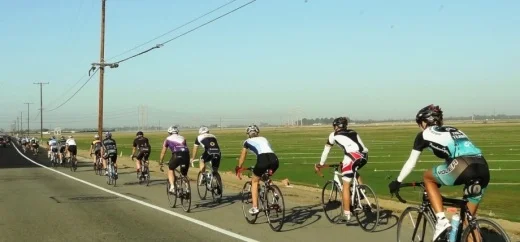
CyclistsCam.JPG

Any given Sunday morning I come across hundreds of bicyclists on my morning runs in the Thousand Oaks area and throughout Ventura County.

Here are some local cycling groups:

CLICK HERE for some family-friendly friendly bike path options around Ventura County.

And for some local BMX track options, Freedom Park BMX Raceway in Camarillo

Bike shops in the local area:

EBike shops:

Roller Skating, Roller Blading, Ice Skating and Skateboarding Around Ventura County

iStock_icehockey.jpg

Looking for some wheel fun around the Conejo Valley and Greater Ventura County? Look no further than this list of nearby skating, blading and boarding venues in and around the area.

ICE SKATING

LA Kings Iceoplex Ice Arena in Simi Valley

Hockey Alley Ice Skating Training Facility in Newbury Park

ROLLER SKATING, ROLLER HOCKEY

Skating Plus Indoor Roller Rink in Ventura

Tri-Valley Roller Hockey League in Calabasas

CLOSED

Channel Islands Ice Center in Oxnard (closed its doors in April 2016 but is looking to raise funds for a new home)

Skatelab Skate Park in Simi Valley closed its doors 1/6/19 after 21 years in operation, but its founder indicated a new location is coming.

The Holiday Ice Rink at The Lakes at Thousand Oaks operated annually from mid-November to January until the 2019-2020 holiday season.

The Conejo Valley Ice Skating Rink opened in 1977 at 510 North Ventu Park Road in Newbury Park (which today is the address of Hampton Inn & Suites). The facility closed its doors in 1994, after 17 years in business.

Ride On Therapeutic Horsemanship in Newbury Park Serves the Disabled

Ride On Therapeutic Horsemanship teaches horseback riding to children and adults with physical and mental disabilities. Founded in 1994, Ride On has given over 100,000 safe, effective and individualized lessons and therapy treatments. Serving the Conejo Valley, Ride On's Newbury Park site is operated in partnership with the Conejo Recreation and Park District. In the San Fernando Valley, Chatsworth is home to a newer facility and 3 acre ranch.

Ride On serves over 200 riders each week at its 13 acre Newbury Park location at 401 Ronel Court and its Chatsworth location. The minimum age for therapeutic riding is 4 years old and all disabilities are served, both mental and physical.

Therapeutic riding is a unique combination of sport, recreation and education. Specially trained NARHA qualified instructors use their knowledge of disabilities to teach horsemanship skills to riders with varying ability levels. A typical therapeutic riding lesson involves safety on and around horses, warm up exercises, games and riding skills including equitation and obstacle. Increased balance, strength and self esteem are some of the benefihts of this wonderful recreational activity.

Ride On also offers hippotherapy for clients as young as 2 years old. Hippotherapy is the use of the horse’s movement for rehabilitation. Licensed Therapists properly position the patient on the horse, analyze the patient’s response and direct the horse’s movement to achieve specific patient treatment goals. Hippotherapy facilitates improved balance, posture, mobility, communication and behavior for patients of all ages and many disabilities.

Ride On’s primary funding sources are income from lessons, grants, special events and private donations. Ride On is a 501(c)(3) charitable organization. Visit www.rideon.org or call 805.375.9078 for more information.

Medi-Cal is California's Medicaid Healthcare Program

Medi-Cal is California’s Medicaid healthcare program that provides comprehensive health coverage for people with low or no income. In Ventura County, Medi-Cal is administered by the Human Services Agency. To qualify for Medi-Cal, you have to live in California and meet program eligibility rules.

Medi-Cal primarily serves low-income individuals, including families with children, seniors, persons with disabilities, children in foster care, pregnant women, and low-income people with specific diseases such as tuberculosis, breast cancer, or HIV/AIDS. CalWORKs participants and Foster Care are automatically eligible for Medi-Cal.

Learn more and apply for Medi-Cal in Ventura County at www.ventura.org/human-services-agency/medi-cal.

Gold Coast Health Plan was created by the Ventura County Medi-Cal Managed Care Commission in 2010 to administer healthcare benefits to the 200,000 Medi-Cal beneficiaries who live in Ventura County.

How do you qualify for Medi-Cal benefits?

  • If your income is below 138% poverty level, which in 2023 is $20,121 for one person, $27,214 for a family of two and $41,400 for a family of four, and

  • If you are 65+, blind, disabled, under 21, pregnant, in a skilled nursing facility, a parent or caretaker relative of an age eligible child or have screened for breast or cervical cancer. A new law gives full scope Medi-Cal to adults 50 years of age or older access to Medi-Cal.

  • If you are enrolled in CalFresh, SSI/SSP, CalWorks, Refugee Assistance or Foster Care.

If your income is too high to qualify for Medi-Cal, you may qualify for partially subsidized health insurance premiums through Covered California.