
The End of the U.S. Penny: What It Means for Cash Transactions
/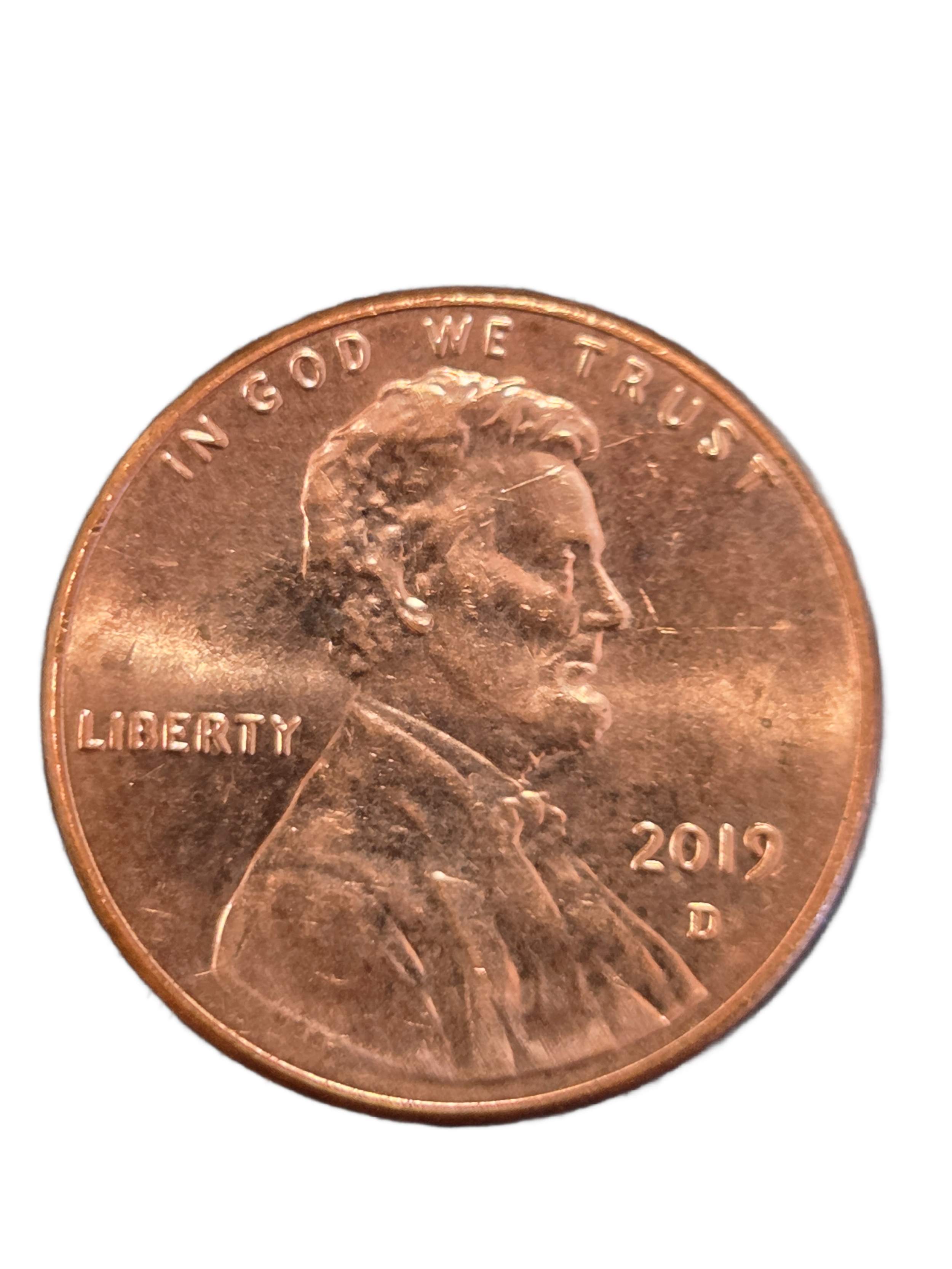
The final batch of Lincoln cents was struck by the United States Mint on November 12, 2025, closing the book on a coin that’s been part of American pockets and piggy banks since 1793. Rising production costs finally did it in — by 2025, each penny cost 3.69 cents to make, and more than 300 billion pennies were already floating around in circulation.
Even though production has ended, pennies remain legal tender, and they’ll continue circulating for decades as they slowly disappear from everyday use. The U.S. joins countries like Canada, Australia, and New Zealand, all of which retired their lowest‑value coins years ago.
With no new pennies entering circulation, cash transactions in the U.S. now follow rounding rules similar to those used abroad. Only the final cash total is rounded: amounts ending in 1, 2, 6, or 7 cents round down, while 3, 4, 8, or 9 cents round up. Totals ending in 0 or 5 stay the same. Electronic payments aren’t affected — card and mobile transactions still settle to the exact cent.
It’s a small change, but a historic one. After more than two centuries, the penny has officially become a relic of the past — and the country is finally moving on from a coin that cost more to make than it was worth.